HJM Aviation Services: RT training, FRTOL examinations and microlight flight instruction in the North West
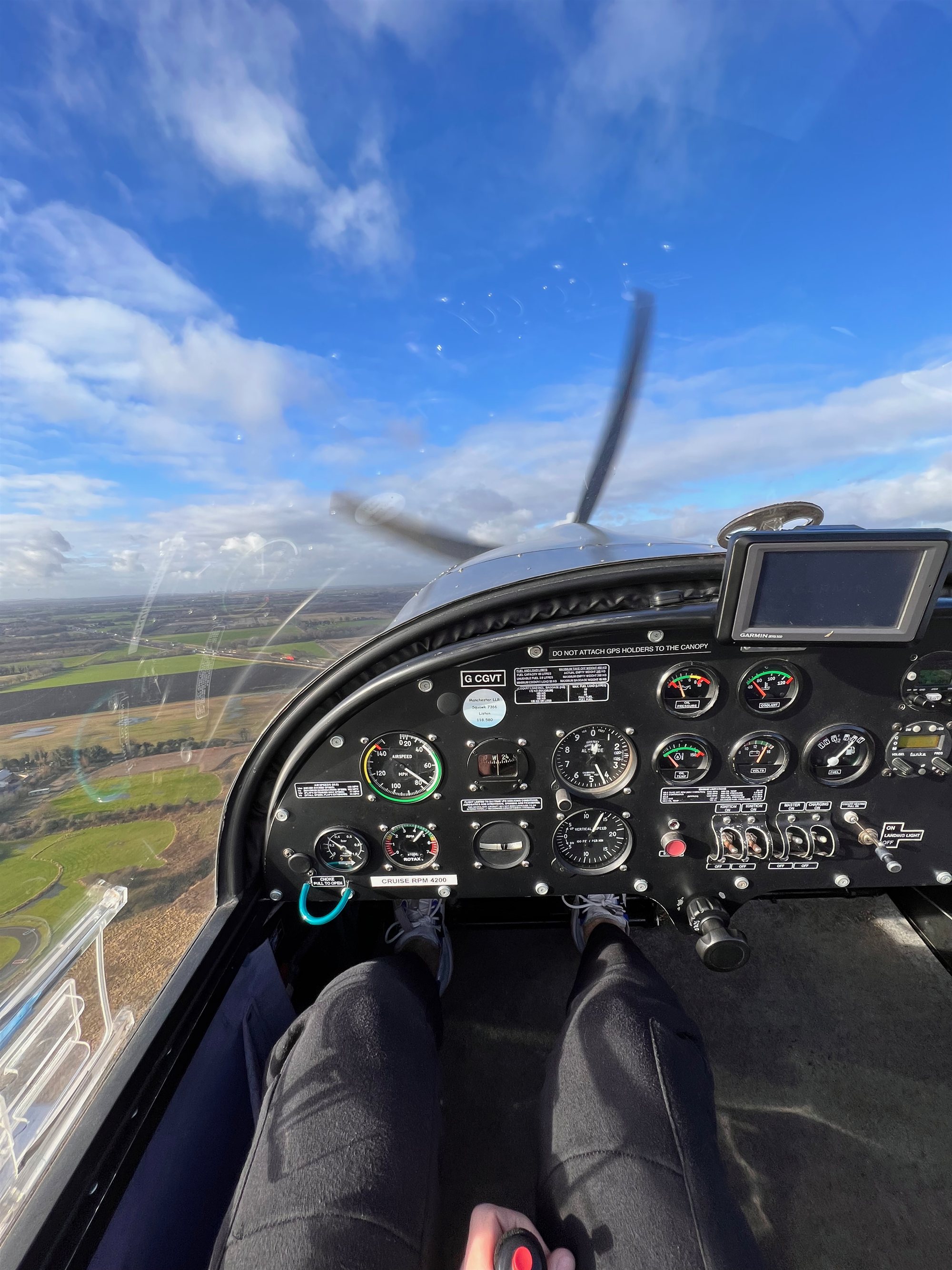
Master the radio.
Radiotelephony training & FRTOL examinations.
Two ways to fly with HJM.
Training is based on realistic flying scenarios and current UK procedures, drawing directly on CAP 413, CAP 2325 and CAP 2118.
Radiotelephony & FRTOL
Good radiotelephony is a key part of safe and confident flying, knowing what to say, when to say it, and understanding what is said back to you.
Explore RT & FRTOLMicrolight Flight Instruction
Fixed-wing microlight flight instruction, from biennial and revalidation flights to refresher, confidence-building and skills-check support.
Explore flight instruction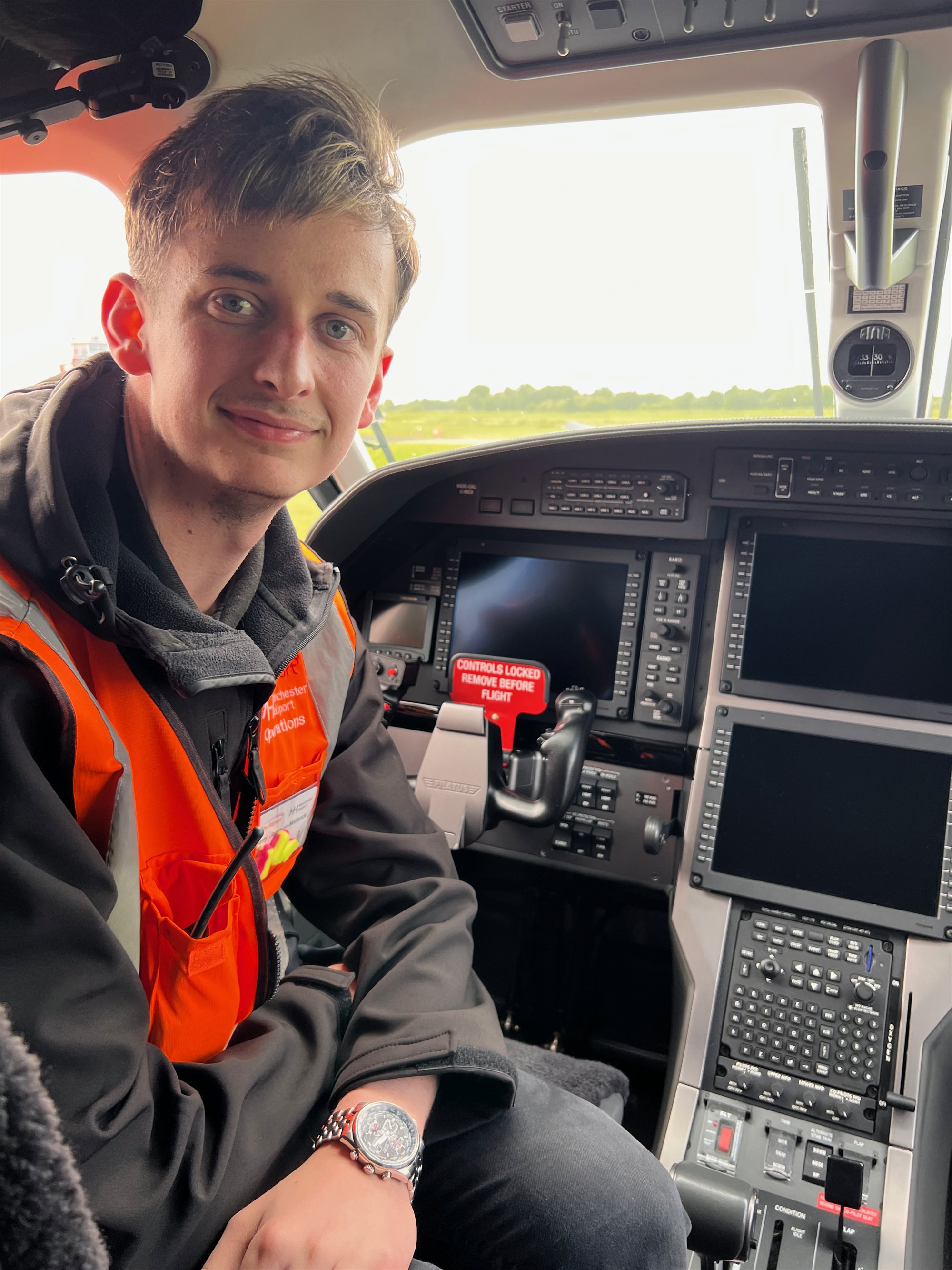
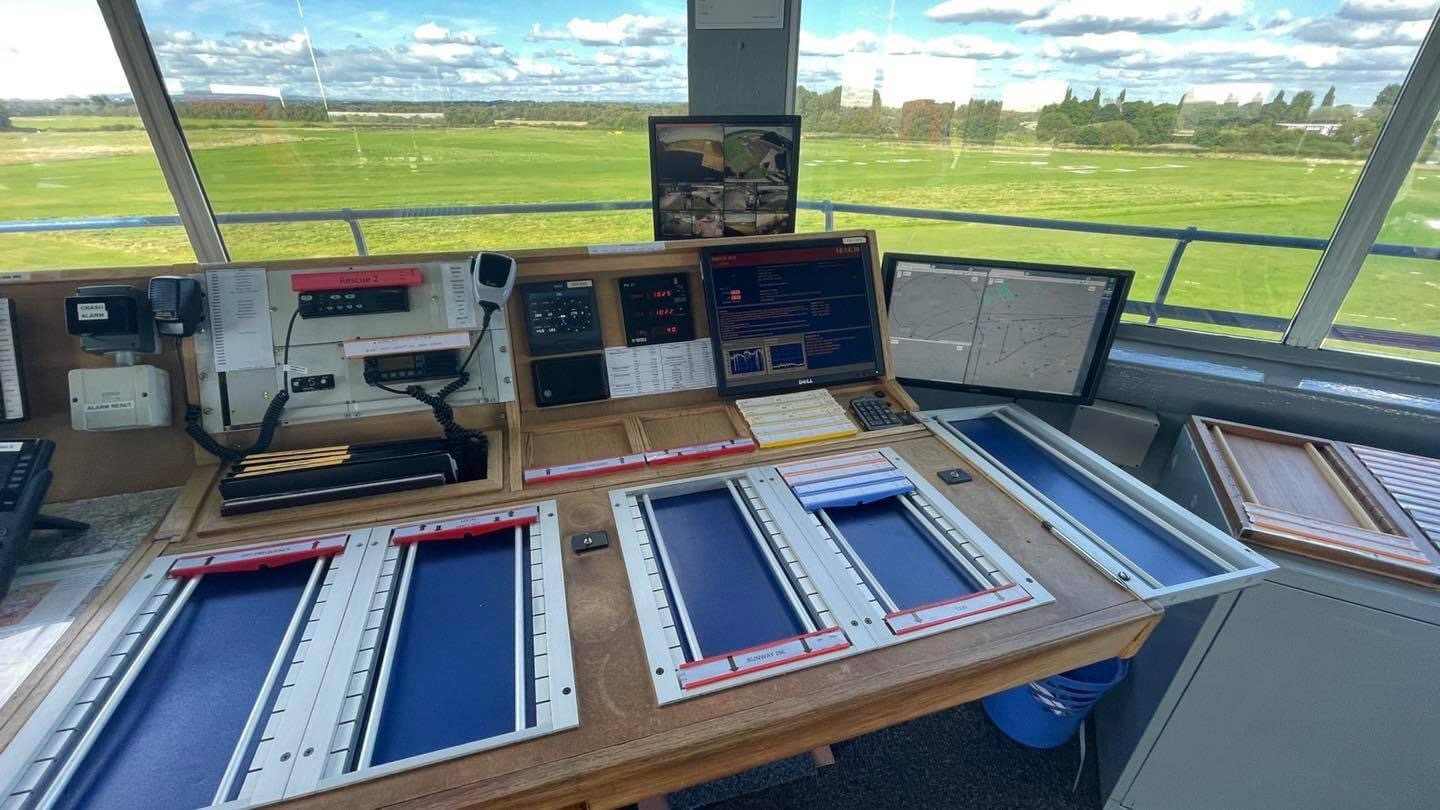
Both sides of the radio.
Harry Jackson-Mallender has been flying since the age of 14 and has built experience across both the flying and air traffic service sides of aviation.
He has been a Flight Information Service Officer (FISO) since August 2019 and became a FISO Local Assessor in May 2026, giving him day-to-day operational experience of radio communication from the ground-station perspective.
With approximately 500 hours total flying experience, a Flight Instructor rating held since March 2025, and appointment as a FRTOL Examiner in June 2026, Harry brings a genuinely dual perspective to every RT lesson.
- Age 14Flying since
- Aug 2019FISO - Validation
- Mar 2025Flight Instructor
- May 2026FISO Local Assessor
- Jun 2026FRTOL Examiner
- ~500 hrsTotal flying
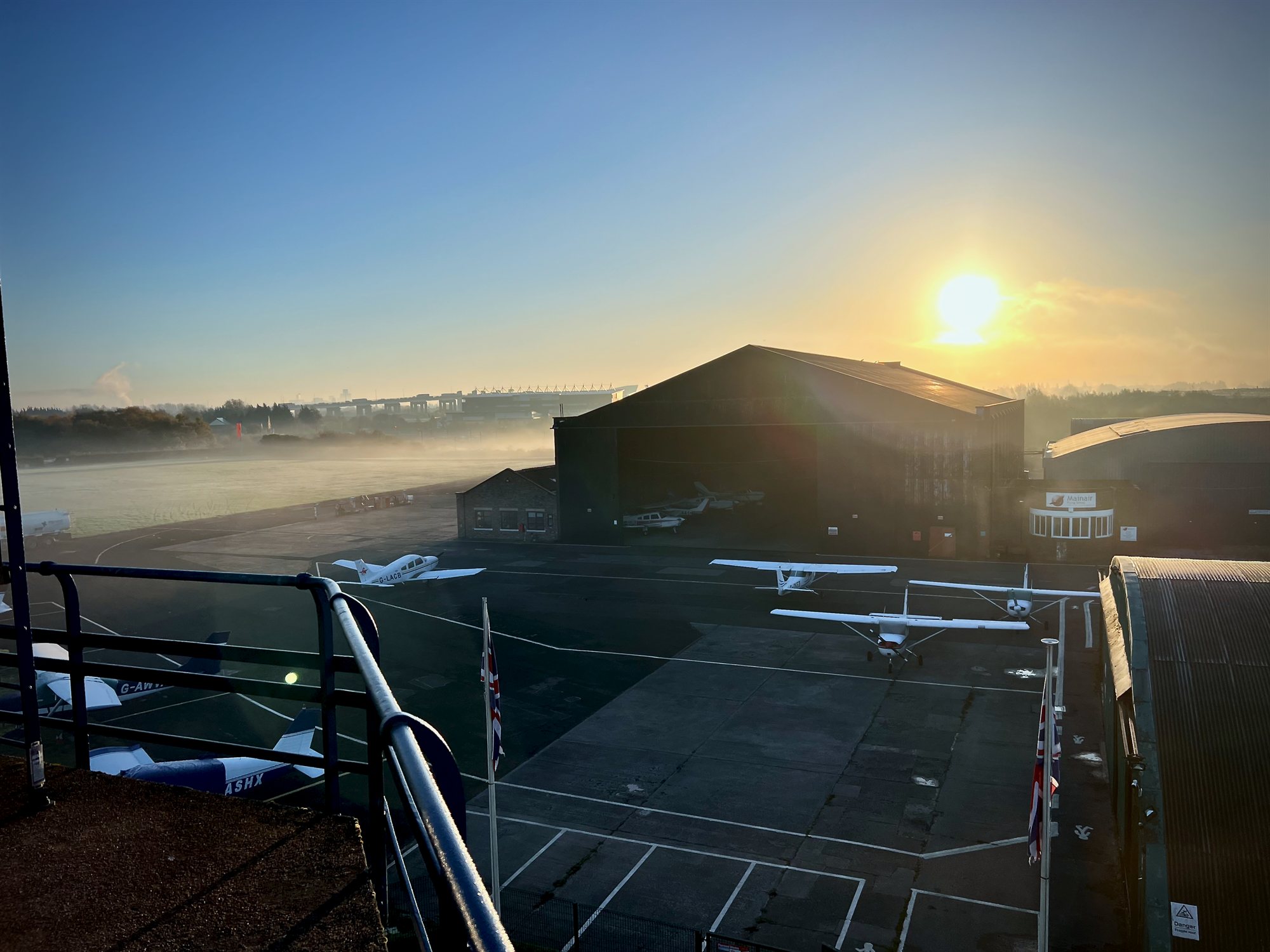
What is the FRTOL?
The Flight Radiotelephony Operator's Licence (FRTOL) is the licence required to operate an aircraft radio. It's made up of two elements, a theory exam and a practical exam.
Theory Exam
A written knowledge element made up of 12 multiple-choice questions with a 75% pass mark. If you're completing a Part-FCL PPL, the theory exam is usually taken through your Approved Training Organisation (ATO) or Declared Training Organisation (DTO) via the E-Exam Portal. Where required, it can also be completed with Harry.
- 12 multiple-choice questions
- Pass mark: 75%
- ATO or DTO E-Exam Portal, or with Harry
Practical Exam
A simulated flight using a current CAA VFR chart. The route is disclosed on the day. Candidates are assessed on making appropriate radio calls, responding correctly to instructions and information, and using standard UK phraseology.
- Simulated flight, CAA VFR chart
- Route given on the day
- Review CAP 2325 before attending
RT that feels natural and stays accurate.
RT ground school helps students build confidence before using the radio in flight or sitting the FRTOL practical exam.
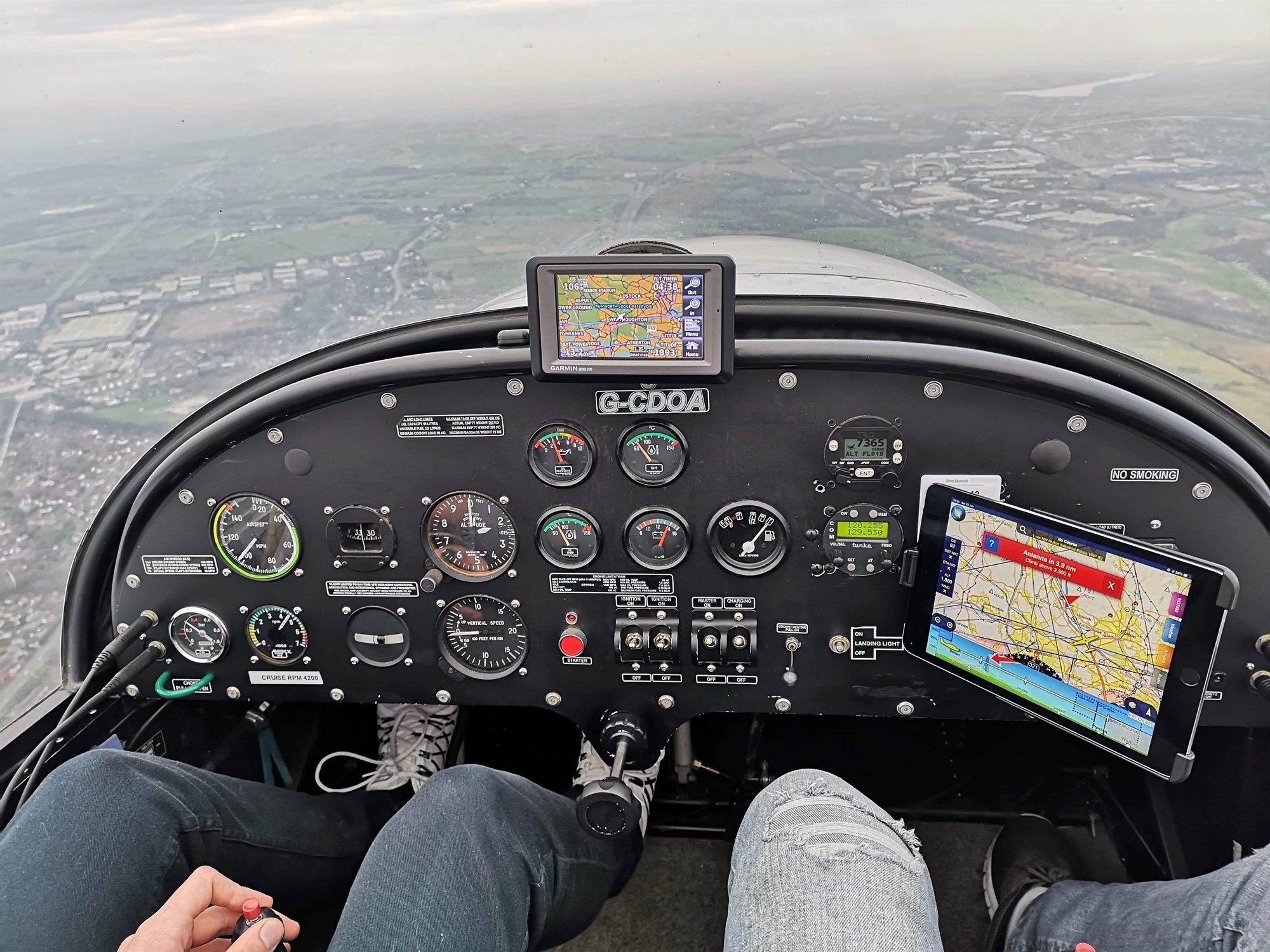
The aim is to make RT feel less intimidating and more natural, while keeping phraseology accurate and professional.
The correct words, structure and read-back discipline that keep radio calls clear, concise and unambiguous.
How to request and give a radio check, and how to use the readability scale from 1 to 5.
Requesting start, taxi and airfield information, and understanding taxi instructions and holding points.
Making clear departure and take-off calls, and reporting your intentions as you leave the circuit or zone.
Reporting ready for departure at the holding point and responding correctly to line-up and take-off clearances.
Standard overhead and circuit joins, and the calls used to rejoin an airfield safely and predictably.
Giving accurate position, altitude and intentions so ground stations and other traffic have a clear picture.
Requesting and reading back clearances to transit controlled airspace, a MATZ and other zones.
Obtaining and reporting the current ATIS information so you arrive with the latest airfield details.
Making MAYDAY and PAN calls correctly, and knowing what information to pass when it matters most.
Understanding squawk codes and the standard instructions for setting and operating your transponder.
Putting it all together with realistic, route-based radio scenarios that mirror actual UK VFR flying.
Fixed-wing microlight flight instruction.
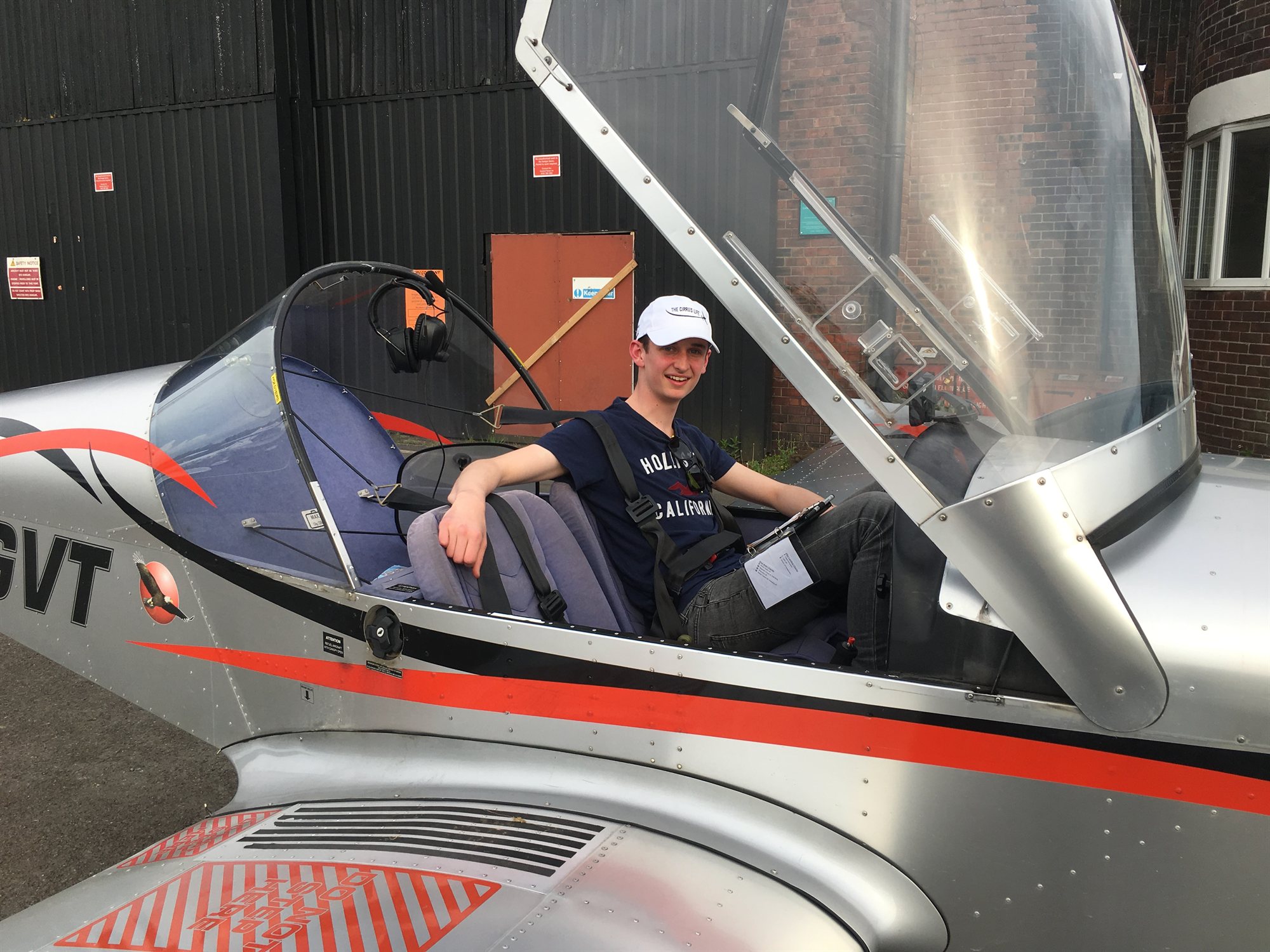
Alongside radiotelephony training and FRTOL examinations, Harry also provides fixed-wing microlight flight instruction. Training can include:
Biennial Instructional Flights
For pilots needing an instructional flight as part of their ongoing licence revalidation requirements.
Refresher Flying
Ideal for pilots who have had a break from flying and want to rebuild confidence before operating alone again.
Confidence-Building Flights
A relaxed way to work through any areas that feel rusty, whether that is circuits, general handling, navigation or radio work.
General Handling Revision
Practice and polish the core flying skills, including straight and level, climbing, descending, turning, slow flight and emergency handling.
Circuit Consolidation
Useful for pilots who want extra practice with approaches, landings, go-arounds, circuit planning and decision-making.
Navigation Refreshers
A chance to revisit planning, chart work, route flying, diversions and in-flight decision-making.
RT Support in Flight
Combining Harry's FRTOL Examiner and FISO experience to help pilots become more confident using the radio during real flying.
Return-to-Flying Support
For pilots who have been away from flying and want structured support before getting fully current again.
Pre-Test or Skills Check Support
Additional instruction for students or pilots who want extra preparation before a GST, check flight or assessment.
Local Area Familiarisation
Helpful for pilots new to the area who want to become more comfortable with local procedures, airspace, VRPs and nearby aerodromes.
Choose the format that fits.
RT Group Course
A structured 12-hour ground school covering the main RT skills and procedures for GA flying and FRTOL prep. Usually run over six evenings of two hours each, with occasional weekend courses.
1-to-1 RT Course
Individual tuition, online or in person. Tailored support and extra practice on joining calls, route clearances, controlled airspace, emergency calls and practical exam preparation.
Additional Ground School
Extra revision, confidence-building, mock exam practice or supplementary support alongside your flight training.
FRTOL Practical Exam
A simulated flight using a current CAA VFR chart; route disclosed on the day.
FRTOL Theory Exam
The written knowledge element: 12 multiple-choice questions, 75% pass mark.
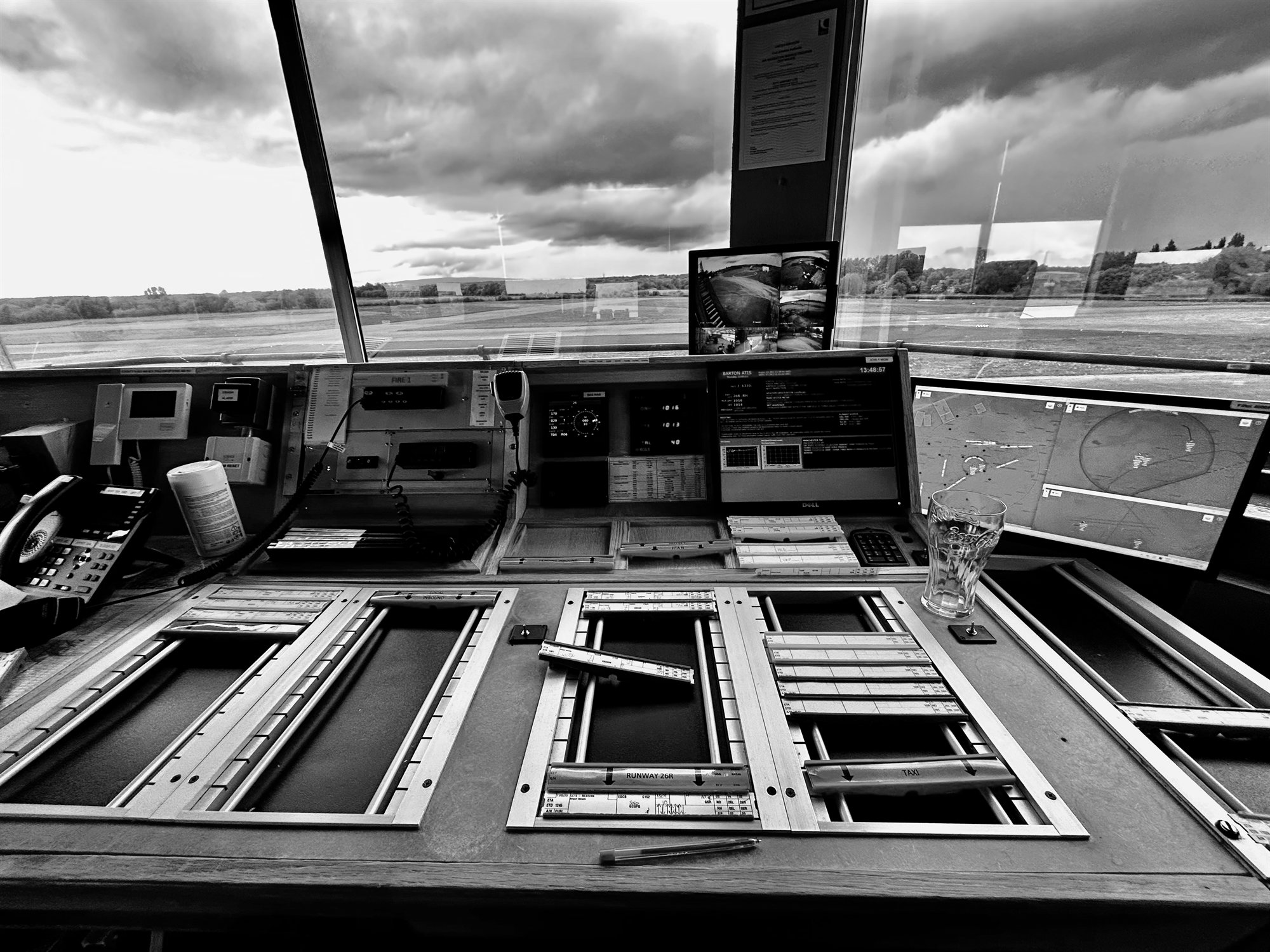
Sit your FRTOL with a CAA-authorised examiner.
Harry is authorised to conduct FRTOL examinations. The practical exam is completed using a current CAA VFR chart; the route is given on the day.
Candidates should ensure they are familiar with the relevant CAA guidance and arrive prepared with the required documents and equipment.
- Current CAA VFR chart
- Photo ID
- Logbook (if applicable)
- Pen, ruler, protractor
- Familiarity with CAP 2325
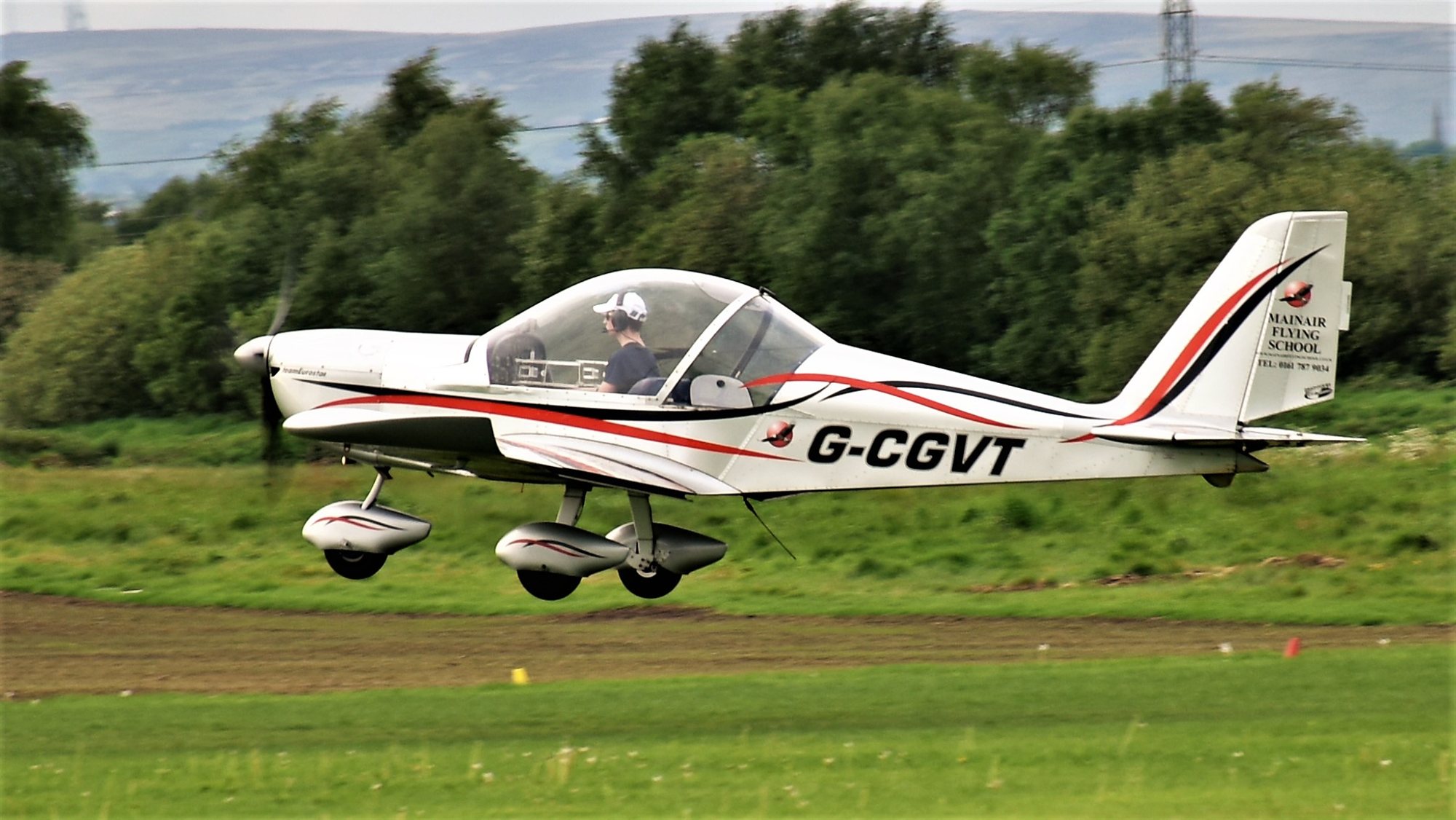
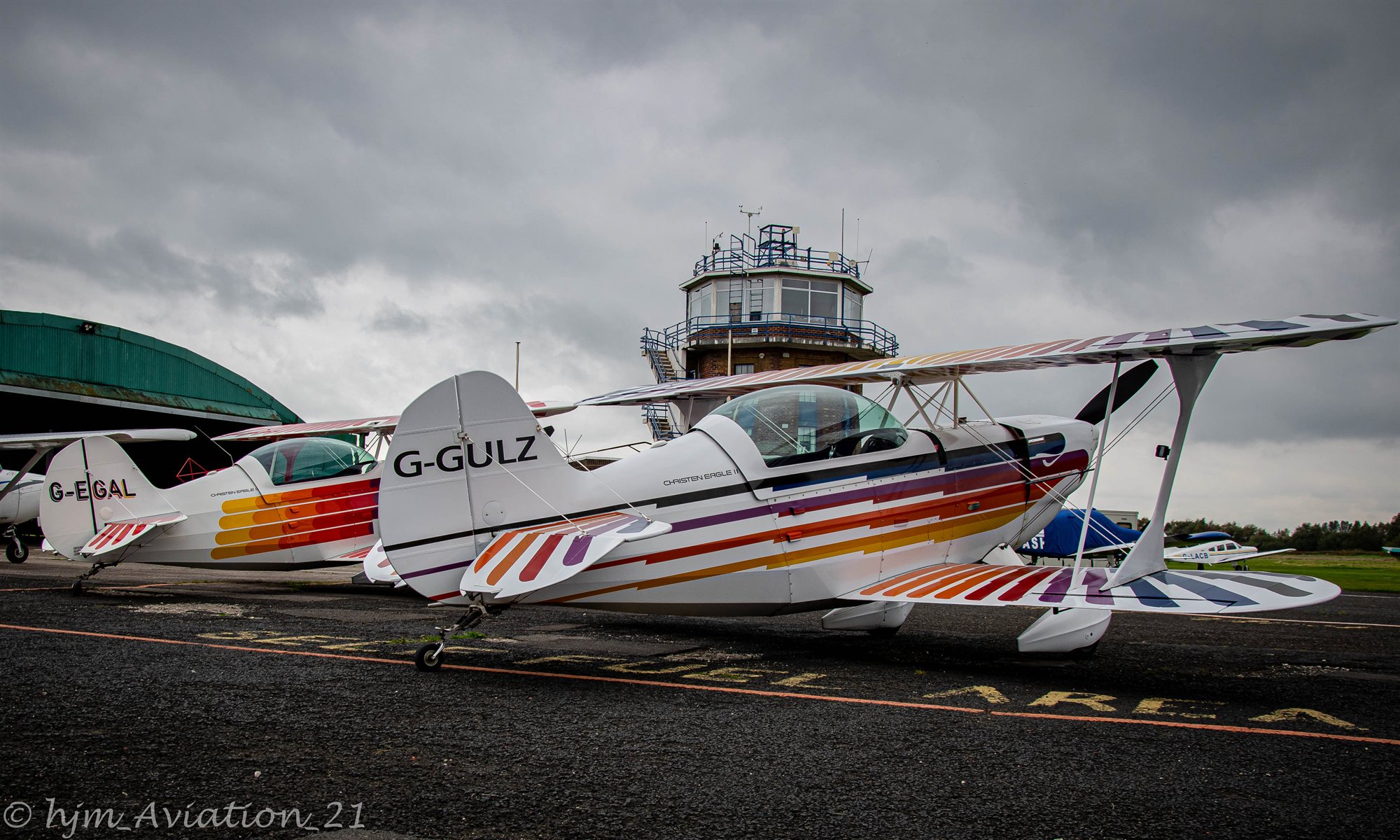
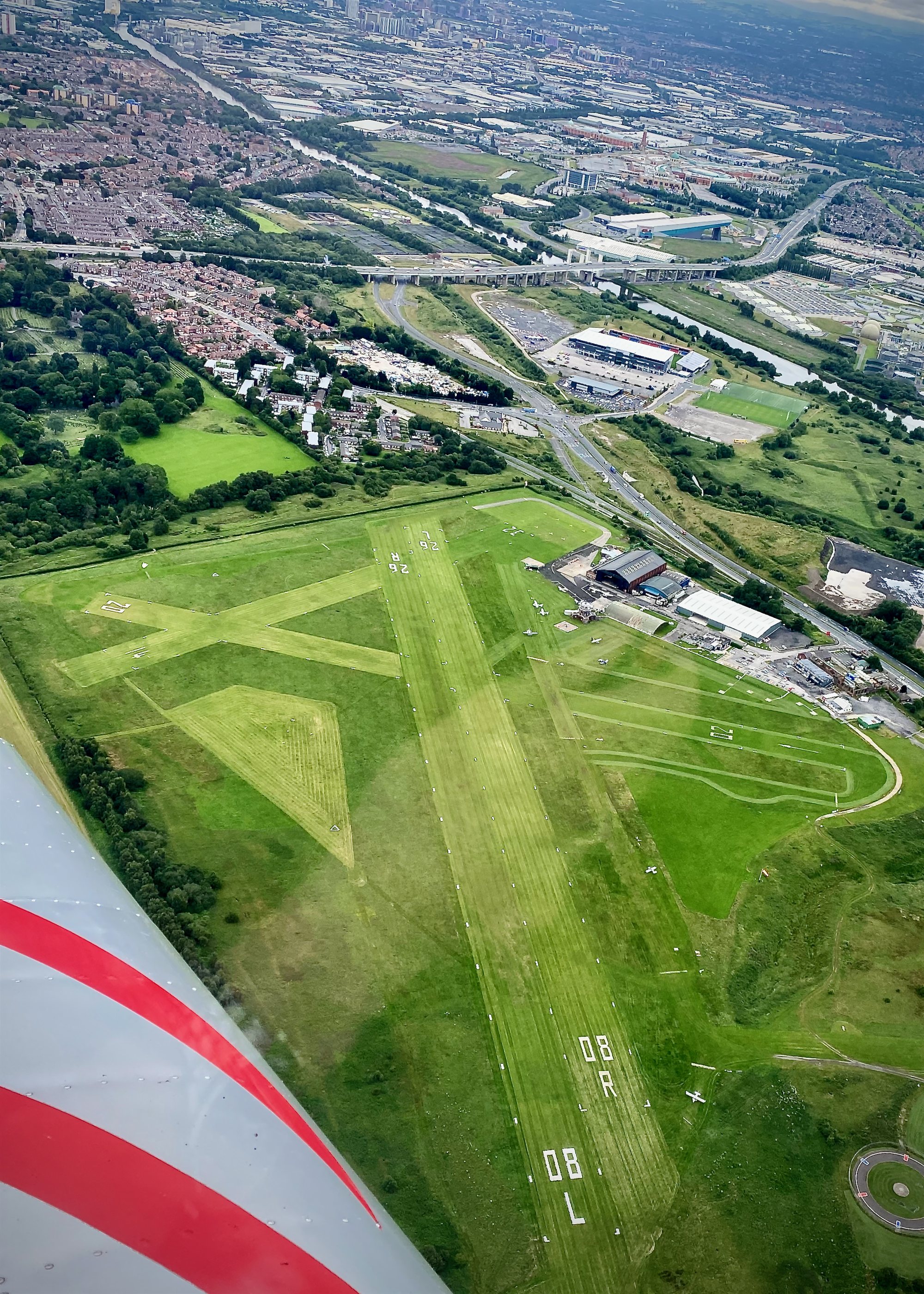
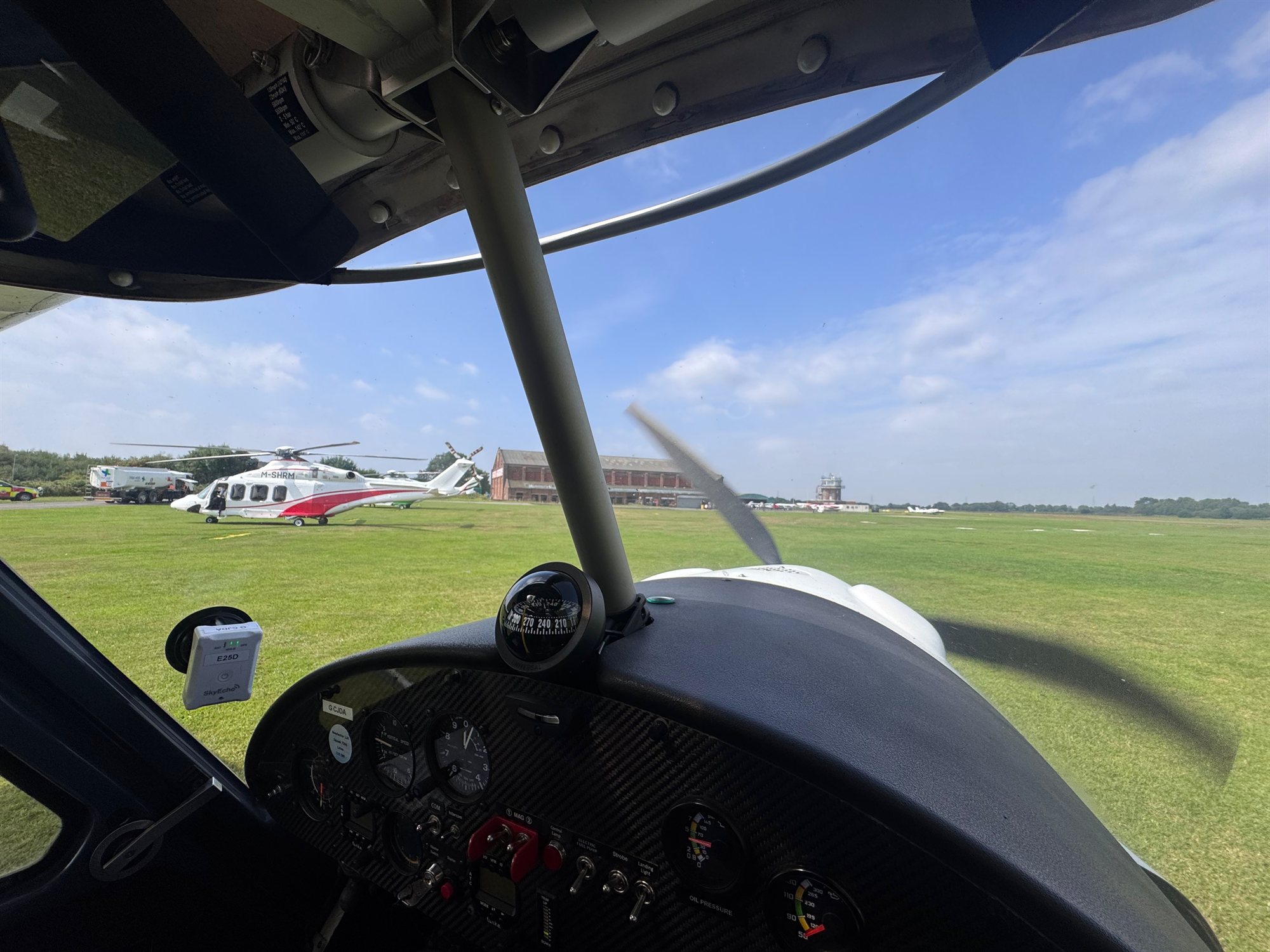
Real days, a real UK airfield.
Common questions, honestly answered.
Can't find what you're looking for? Get in touch, Harry is happy to chat through anything RT-related.
None at all. Whether you're completely new to aviation radio or already flying, training starts at exactly the right level for you.
The Flight Radiotelephony Operator's Licence (FRTOL) is the licence required to legally operate an aircraft radio. Most pilots flying beyond a small handful of scenarios will need one.
12 hours of ground school in total, usually run over six evenings of two hours each, with occasional weekend courses.
The theory exam is 12 multiple-choice questions with a 75% pass mark. It's typically taken via your ATO or DTO E-Exam Portal, or can be sat with Harry where required.
Yes, 1-to-1 sessions can be delivered online or in person, tailored to what you need to work on.
A simulated flight using a current CAA VFR chart. The route is disclosed on the day, and you're assessed on making appropriate radio calls, responding correctly to instructions, and using standard UK phraseology. Review CAP 2325 before attending.
Straight from the CAA.
Book RT training or an FRTOL exam.
Send a message and Harry will get back to you personally, usually within a day or two.